Cuba, Venezuela, and What It Means for Us as Americans Who Follow Christ and Cherish Liberty
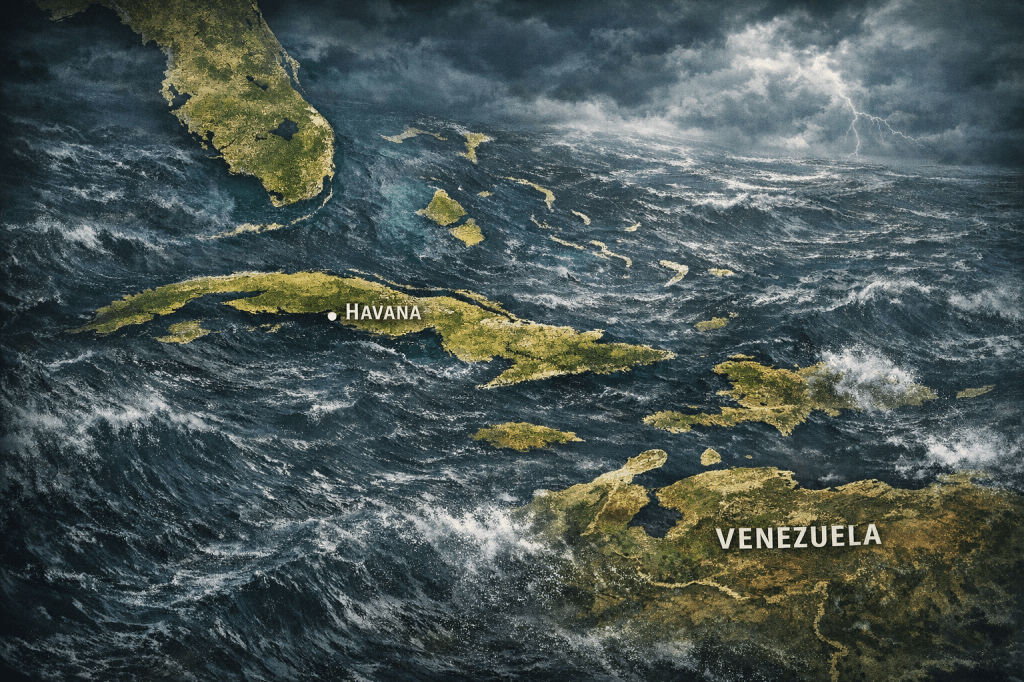
I’ve been sitting with the images coming out of Cuba these past weeks—blackouts stretching twenty-nine hours, hospitals running on generators, empty tourist streets, families lining up for bread in the dark. It’s the kind of suffering that makes a person pause, especially when you remember that just a few months ago Venezuela was still sending oil across the Caribbean. Then January 3 happened: U.S. forces captured President Maduro, we took control of Venezuelan oil fields and tankers, and shipments to Cuba stopped cold. President Trump said plainly there would be “ZERO” oil or money going to Cuba. And here we are.
As an American who loves the liberty our founders fought for and tries to follow the Prince of Peace, I keep turning this over in prayer. Not to point fingers at anyone reading this, but to ask myself what our responsibility looks like when our government’s choices ripple across borders and land on ordinary people who never voted in our elections.
The Chain of Events, Plain and Simple
Cuba didn’t wake up in crisis because of one sudden storm. Decades of their own central planning, the long U.S. embargo, and a corrupt system all play a part. The impetus for this collapse traces straight back to Venezuela. For years, Cuba relied on subsidized Venezuelan oil—tens of thousands of barrels a day. After the operation in Caracas, those tankers stopped.
Trump’s public statements made the link intentional: pressure the Cuban regime by cutting its lifeline. Thirty-two Cuban personnel died defending Maduro. Power grids failed. Tourism vanished. Hospitals rationed. It’s not abstract policy anymore; it’s darkened homes and hungry children.
Even a kind assessment of his justifications falls short of a need to starve an entire population. What matters to me, though, as someone who believes in both the Non-Aggression Principle and the Sermon on the Mount, is how we weigh means against ends.
What Were We Trying to Do?
From what President Trump and his team have said, the goal was layered: stop drugs flowing north, remove a dictator tied to cartels, keep adversaries like China and Russia out of our hemisphere, and secure access to oil that could benefit American companies.
They revived the old Monroe Doctrine and gave it a new name. The idea is that the Western Hemisphere is our neighborhood, and we have a duty to keep it stable and free of outside bullies.
That reasoning may sound compelling at first, but when weighed against Scripture and history, it collapses. Scripture does talk about protecting the innocent and pursuing justice. However, historical and current evidence shows these behaviors harm the innocent. And justice is not what the state decides it to be, but what God has established it to be.
Still, I keep coming back to a quieter question: Does cutting off oil to an entire island—knowing it will plunge millions into literal darkness—align with the higher way Jesus modeled? “Blessed are the peacemakers,” He said.
The apostle Paul reminded us that our warfare is not against flesh and blood. When our actions, even for good-sounding reasons, leave ordinary Cubans and Venezuelans bearing the cost while we debate glory and “honor of taking” nations, I wonder if we’ve drifted from the humility the Bible calls us to.
The Libertarian Christian Tension
Libertarians believe force should only answer initiated aggression. Christians are called to something even more radical: turning the other cheek, loving enemies, and caring for the least of these. When government acts in our name—using our taxes, our military, our flag—we inherit a share of the moral weight. Not guilt in the shame-spiral sense, but stewardship.
I don’t claim easy answers. Real threats exist, history shows intervention often plants seeds of new resentment and causes migration waves, authoritarian alliances. The “Monroe Doctrine” may feel like strength to us; to our neighbors it can look like another empire. Strength without humility becomes indistinguishable from empire. And empires, Scripture warns, fall on the pride that precedes them.
Our Responsibility—Stewardship
Our founders warned against “entangling alliances” and standing armies that tempt us toward distant adventures. George Washington spoke of “commercial relations” and “good faith and justice” toward all nations. That sounds a lot like voluntary exchange and neighborly respect—libertarian and Christian at the same time.
So what might our responsibility look like today?
- Praying specifically for the people in darkness. Cuban pastors holding secret services by candlelight; Venezuelan families rebuilding after upheaval.
- Supporting voluntary relief: churches, NGOs, and private citizens sending generators, medicine, and micro-loans without strings.
- Speaking up humbly for non-aggression and sovereignty. Reminding our leaders that true liberty spreads by example, not by blockade.
- Examining our own hearts: Do we cheer strong-man tactics when they serve “our side,” or do we consistently choose the narrow path of peace?
None of this is about scolding fellow believers who see it differently. I have friends who incorrectly believe short-term pain will birth long-term freedom. I just keep wondering: What if we tried the harder, quieter way first? What if we modeled a republic so free, prosperous, and generous that dictators lost their appeal without us choosing to topple them?
A Closing and an Open Hand
Cuba’s lights may flicker back on through diplomacy or deals. Venezuela’s transition is still unfolding. But the deeper question remains for us: Did we choose a leader who reflects the light we say we carry, or one who reflects the fears we refuse to name?
I’m writing this because I needed to wrestle it out loud, and maybe you’ve been wrestling too. If you’re an American Christian who values liberty, or even if you’re not sure what label fits, I’d love to hear your thoughts in the comments. How do you hold justice and mercy together when your country flexes its muscles? What does “love your neighbor” look like across the Florida Straits?
May the God who sees every darkened home in Havana and Caracas give us wisdom—and the courage to walk humbly in it.


Leave a comment