
In Part I, we traced the historical impulse to legislate reverence—from colonial blasphemy laws to modern executive orders—and how such efforts often distort the Church’s witness. Now we turn to the deeper spiritual logic behind Jesus’ and Paul’s responses to mockery, and why the gospel refuses to be policed.
Jesus and the Power of Unretaliated Truth
As Jesus hung on the cross, the insults weren’t just cruel; they were theological provocations. “If you are the Son of God…” was a dare to prove divinity through domination. Jesus didn’t meet mockery with miracle. Well, not until three days later anyway. He met it with mercy. His silence wasn’t a weakness. By refusing to retaliate, He demonstrated love for the lost, offering mercy where judgment was deserved, and revealing a kingdom not built on coercion, but on compassion.
Luke 23:34: “Father, forgive them…” is not just a prayer—it’s a rebuke to every instinct that seeks justice through force.
1 Peter 2:23: Jesus “entrusted Himself to Him who judges justly.” He didn’t outsource justice to Caesar. He entrusted it to the Father.
This is the model for the Church. When we demand laws to protect our symbols—whether crosses or flags—we risk asking the state to do what Jesus refused: silence dissent to preserve dignity. But dignity in the gospel is never preserved by force. It is revealed through sacrifice
Paul in Athens: Redeeming Speech, Not Regulating It
Paul’s encounter in Athens is a masterclass in redemptive engagement. Surrounded by idols and philosophies that contradicted the gospel, he didn’t call for their removal. He quoted their poets. He reasoned in public. He endured mockery. And some believed.
Acts 17:28: “As even some of your own poets have said…” Paul redeems pagan speech to proclaim divine truth.
Acts 17:32: “Some mocked, but others said, ‘We will hear you again.’” The gospel thrives in open dialogue, not sanitized echo chambers.
Paul didn’t fear offense. He feared silence. His witness wasn’t protected by Caesar; it was proclaimed from believing lips. And that’s the challenge for the Church today: to speak boldly amid dissent, not legislate dissent away.
Modern Speech Laws and the Church: Between Compliance and Conviction
This theological lens sharpens our view of today’s speech restrictions—not merely as legal boundaries, but as spiritual battlegrounds. The Johnson Amendment (1954), though softened by recent IRS clarifications in 2025, still casts a long shadow over the pulpit. For decades, pastors have weighed every word, not against Scripture, but against the tax code. The chilling effect remains: sermons are trimmed, convictions softened, and prophetic fire doused in favor of institutional safety.
Recent IRS settlements now permit greater freedom in worship settings, allowing pastors to speak on political issues without automatic penalty. Yet the legacy of fear persists. Churches have internalized the threat, often self-censoring to avoid scrutiny, even when no law demands it.
From Legal Threats to Cultural Boycotts
But the pressure isn’t just legal—it’s cultural. Sermons on biblical marriage, gender, or sin are increasingly labeled “hate speech,” not by courts, but by social consensus. Boycotts, smear campaigns, and online harassment follow. Even without federal enforcement, the effect is the same: silence through intimidation.
A 2024 survey revealed that nearly 25% of young Brits would support banning the Bible if its teachings are deemed hateful.
OSCE reports show a surge in anti-Christian hate crimes in 2025, including vandalism, threats, and disruptions of worship services.
This isn’t persecution in the classical sense; it’s marginalization through moral framing. Churches are pressured to trade clarity for comfort, fearing backlash more than spiritual compromise.
The Temptation to Outsource Clarity
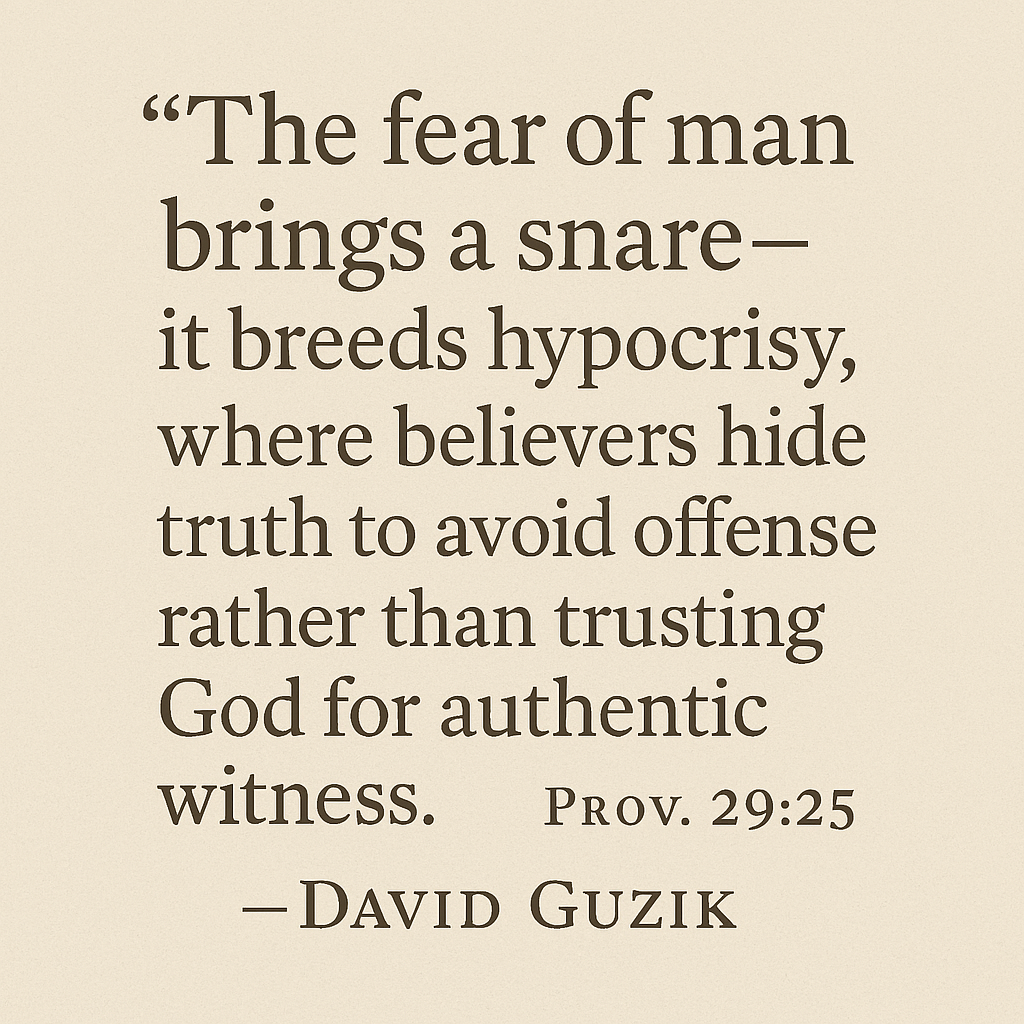
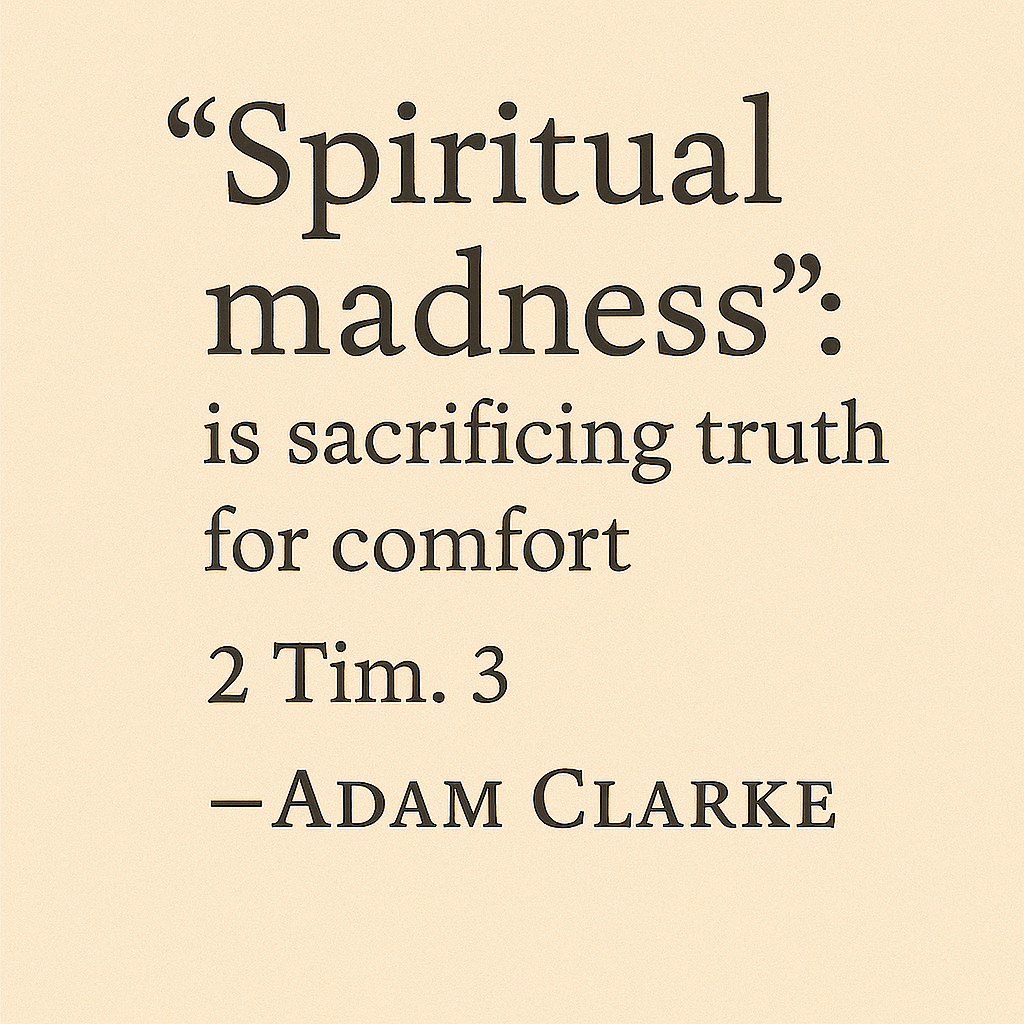
When churches soften their message to avoid offense, they risk outsourcing clarity to legal safeguards rather than the Spirit. This is more than strategic caution; it’s theological compromise. The gospel was never meant to be palatable. It was meant to be powerful—and to offend.
Galatians 1:10: “Am I now trying to win the approval of human beings, or of God?”
2 Timothy 4:2–3: “Preach the word… For the time will come when people will not put up with sound doctrine.”
The Church’s prophetic role is not to echo culture, but to confront it with grace and truth. When we dilute doctrine to preserve reputation, we abandon the very witness we were called to embody.
Revival Requires Risk
The early Church didn’t thrive because it was legally protected. It thrived because it was spiritually empowered. Paul preached in synagogues and marketplaces knowing mockery and arrest were likely. Peter declared Christ before hostile crowds. Stephen died with truth on his lips.
Today’s Church must reclaim that posture.
If we fear IRS audits more than spiritual compromise, we’ve already lost the battle. If we shape sermons to avoid boycotts, we’ve traded prophetic fire for institutional comfort. The gospel demands more.

Revivalist Response: Liberty, Obedience, and Witness
Just as Trump’s flag order risks turning patriotism into enforced ritual, the Church must resist similar impulses in speech laws. In an age where speech is policed by both statute and sentiment, the Church faces a critical choice: will it seek to control speech, or redeem it? The difference is not semantic—it’s spiritual. One path leads to coercion; the other to conversion. One relies on Caesar’s sword; the other on the Spirit’s fire.
Liberty Is Not the Enemy of Holiness
The gospel can thrive under both liberty and censorship, but it falters when the Church becomes the censor, trading Spirit-led witness for institutional control. When Paul preached in Athens, he did so amid idols and philosophies that contradicted everything he believed. Yet he did not demand their removal. He reasoned, proclaimed, and trusted the Spirit to convict. Revival does not come by silencing dissent. It comes by speaking truth with courage, clarity, and grace.
2 Corinthians 3:17: “Where the Spirit of the Lord is, there is freedom.”
Acts 17:22–23: Paul engages pagan speech not with outrage, but with invitation.
Obedience Over Outrage
Obedience to Christ means refusing the temptation to outsource virtue to the state. Laws may restrain evil, but they cannot produce righteousness. When Christians advocate for speech restrictions to defend sacred symbols or moral norms, they risk confusing justice with control.
Romans 12:21: “Do not be overcome by evil, but overcome evil with good.”
James 3:17: “The wisdom from above is… peaceable, gentle, open to reason.”
Obedience is not passive. It speaks truth even when unpopular, but it does so with the posture of Christ: humble, enduring, and Spirit-led.
Witness Requires Risk
The early Church did not seek legal protection, it bore witness in the face of grave persecution. Today’s Church must reclaim that posture:not combative, but convicted. The goal is not to win the culture war, but to embody a kingdom ethic that transcends it.
Challenge to readers: Resist the urge to legislate virtue. Live it. Speak it. Embody it.
Don’t ask the state to punish blasphemy—show the beauty of holiness.
Don’t demand censorship—offer clarity.
Don’t fear offense—fear compromise.
Revival is not a policy outcome. It is a spiritual awakening. And it begins when the Church stops defending its rights and starts declaring its Redeemer.
Call to Action: Speak boldly. Live freely. Witness prophetically. Share your thoughts in the comments below.



Leave a comment